
 Michael Cambridge
Make-up and common cosmetics have been around for centuries. In the olden days, cosmetics were at times very dangerous and could even be fatal. Egyptian women would use kohl as a method to line and darken the eyes. Women throughout the 19th century often used lead oxide and carbonate to create a ghostly white complexion. Others dropped belladonna into their eyes to achieve a glassy, sparkly look, despite its toxic effects. While cosmetics are meant to enhance beauty and bring confidence, the ingredients behind the scenes aren’t always so pretty. Some are commonly used and widely accepted, while others might raise an eyebrow. One thing is certain, many of these ingredients aren’t ones you’d guess are lurking in your makeup bag.
Let’s uncover 10 surprising products used in cosmetics, some natural, some synthetic, and some downright shocking.
1. Snail Mucin (Snail Slime)
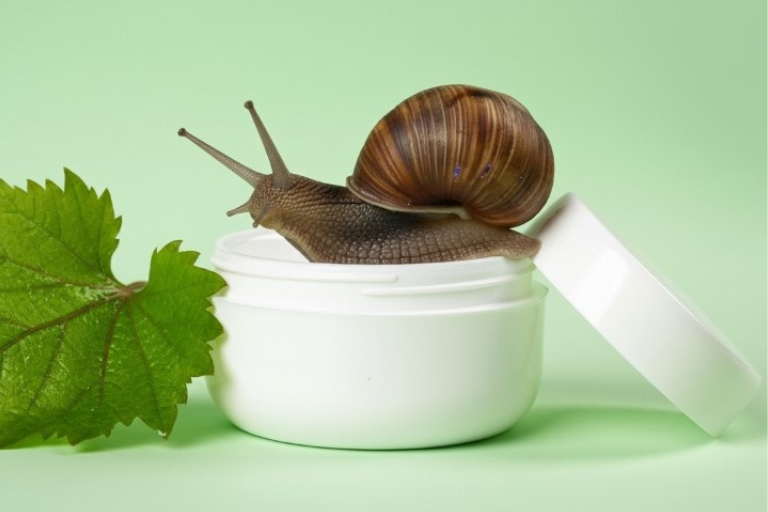
Yes, you read that right, snail mucin is a beloved ingredient in many high-end and Korean skincare products. Harvested from the mucus trail of snails, this gooey substance is prized for its ability to hydrate, heal, and rejuvenate the skin. It contains glycoproteins, hyaluronic acid, and glycolic acid, all of which contribute to skin repair and elasticity. Though it might sound unappealing, snail mucin is considered safe and highly effective. It’s commonly found in moisturizers, serums, and even sheet masks.
2. Carmine (Crushed Beetles)
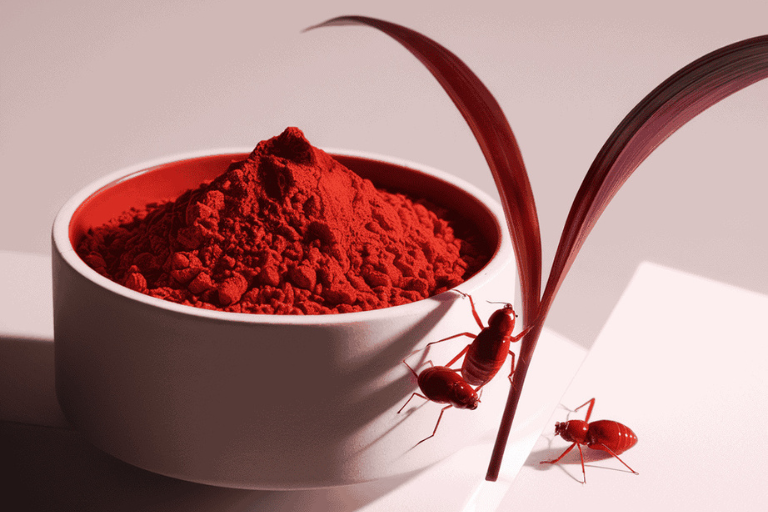
This one is a little harder to swallow. Carmine, a bright red pigment found in many lipsticks, blushes, and eye shadows, is made from crushed cochineal beetles. These insects are harvested, dried, and ground up to extract a deep red dye. Used since ancient times, carmine is prized for its vibrant color and stability. It’s also considered a “natural” dye, which makes it popular in clean beauty products, though it’s not vegan.
3. Charcoal
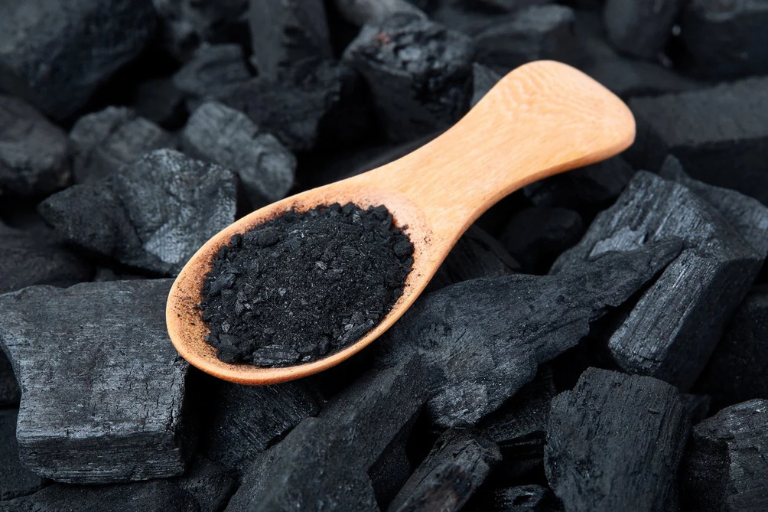
Charcoal isn’t just for grills and detox myths, activated charcoal is commonly found in face masks, cleansers, and even toothpaste. Its porous structure helps attract and bind dirt, oil, and impurities, making it especially popular for oily or acne-prone skin.
4. Gold
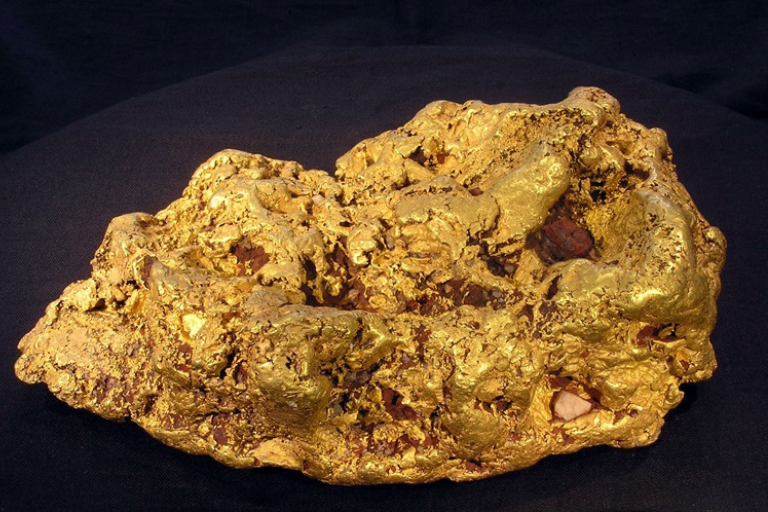
Luxury isn’t just a marketing term here, gold has been used in skincare for centuries, especially in Asian and Egyptian beauty traditions. Today, it’s often included in serums and masks for its anti-inflammatory properties and its ability to give skin a temporary glow. Does it turn you into royalty? No. Does it feel fancy? Absolutely.
5. Donkey Milk
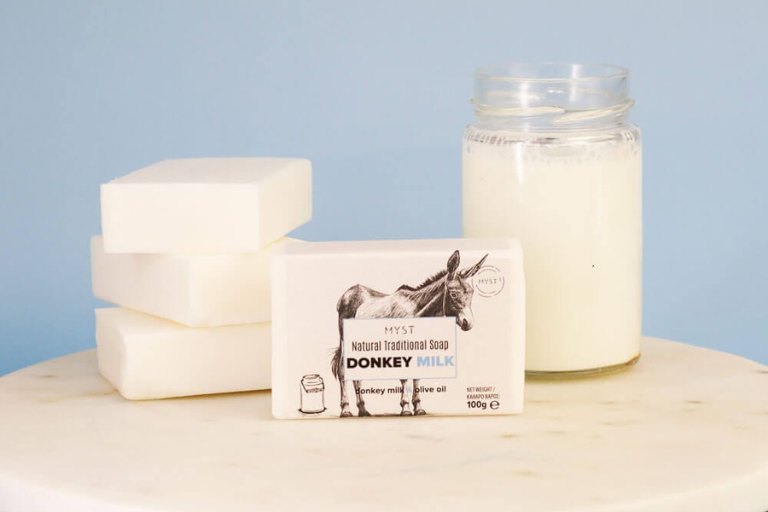
Cleopatra was onto something, legend says Cleopatra bathed in donkey milk to keep her skin soft and youthful. Rich in vitamins, proteins, and fatty acids, donkey milk is still used today in soaps, lotions, and creams designed to hydrate and soothe sensitive skin.
6. Ambergris (Whale Vomit)
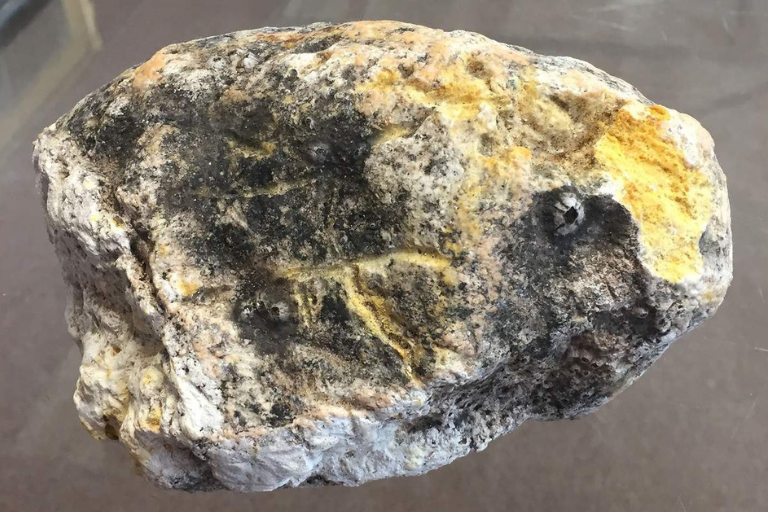
If you’ve ever wondered what gives some high-end perfumes their long-lasting scent, the answer might be ambergris, a waxy substance produced in the digestive tract of sperm whales. Sometimes dubbed “floating gold,” ambergris has a musky, sweet scent and is used as a fixative in perfumes to help the scent last longer. Due to ethical and environmental concerns, many companies have moved toward synthetic alternatives, but genuine ambergris is still used in niche luxury fragrances.
7. Lanolin (Sheep’s Wool Grease)
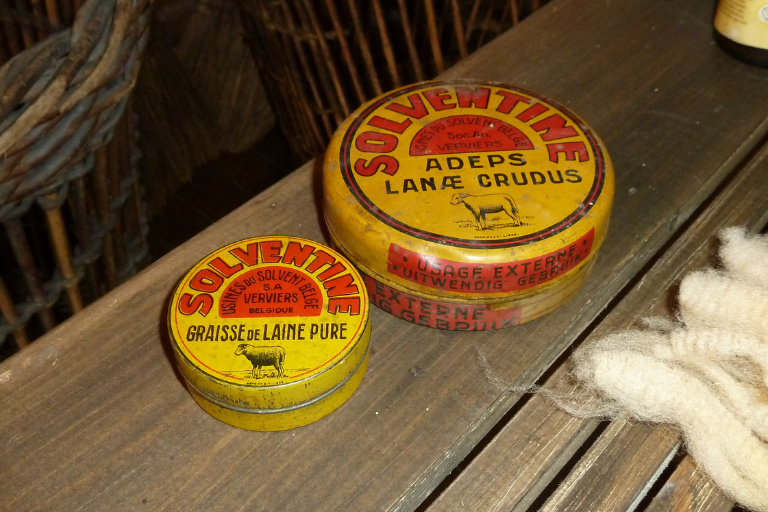
Lanolin is a natural oil extracted from the wool of sheep. After shearing, the wool is washed to collect this waxy substance, which is then purified and used in lip balms, lotions, and creams. Lanolin is a powerful emollient and mimics the skin’s natural moisture barrier. While it’s animal-derived, it’s generally considered cruelty-free since it doesn’t harm the sheep.
8. Clay (From the Earth Itself)
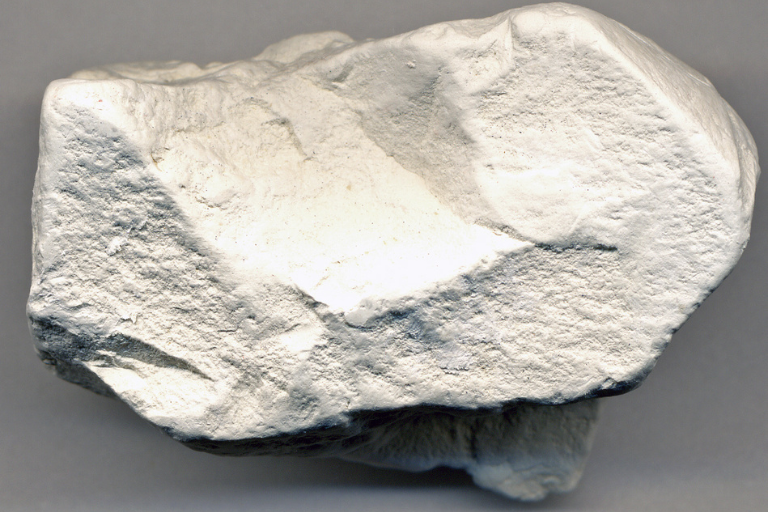
Simple, ancient, and incredibly effective, clays like kaolin, bentonite, and rhassoul are staples in masks and cleansers. They absorb excess oil, unclog pores, and gently exfoliate. Despite being one of the oldest cosmetic ingredients on the planet, clay remains a modern skincare essential.
9. Pearl Powder
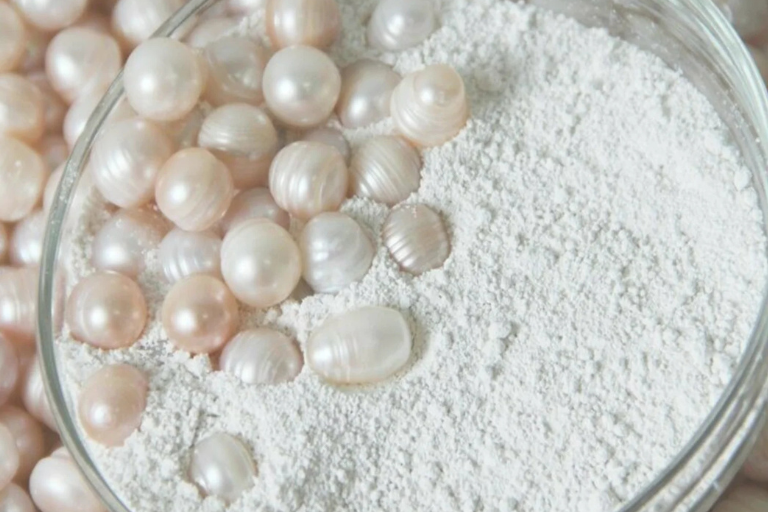
Not just for jewelry boxes, crushed pearls have been used in traditional Chinese and Ayurvedic medicine for centuries. In cosmetics, pearl powder is known for brightening the skin, evening tone, and adding a subtle luminosity. You’ll often find it in high-end powders and creams.
10. Tallow (Animal Fat)
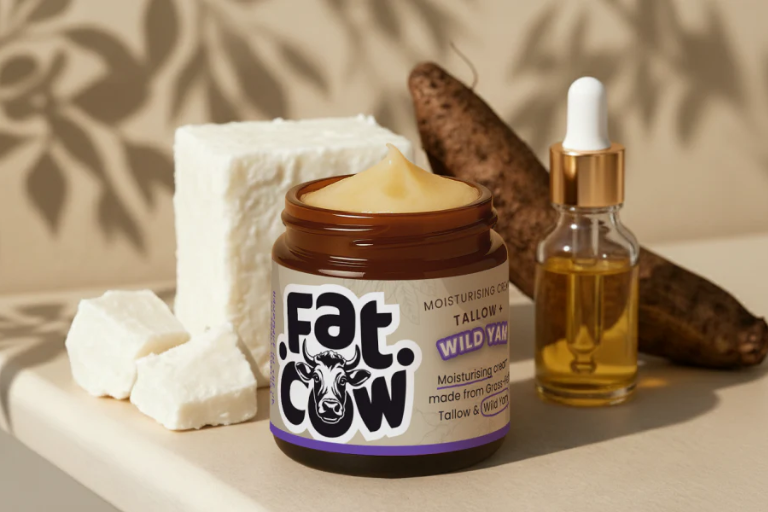
Tallow is rendered fat from cows or sheep and has been used in soap and skincare products for centuries. It acts as an emollient and thickener and is especially common in bar soaps, foundations, and moisturizers. Many mainstream cosmetics still use tallow, although it’s often listed under less obvious names like “oleic acid” or “stearic acid.”



GIPHY App Key not set. Please check settings