
 Michael Cambridge
Losing fat naturally is a healthy and, most importantly, safe approach to weight loss. It typically involves making small, sustainable changes to your lifestyle, diet, and daily routine. When asked how they lose weight, many people respond that they are following a diet or taking supplements. However, despite their efforts, these methods often fail to deliver lasting results for most individuals. The reason is that they are using the wrong approach. Relying solely on supplements, restrictive diets, surgery, or extreme calorie deprivation is rarely the key to successful, long-term weight loss.
Here are the most effective ways to lose fat naturally and efficiently.
1. Eat Whole Grains
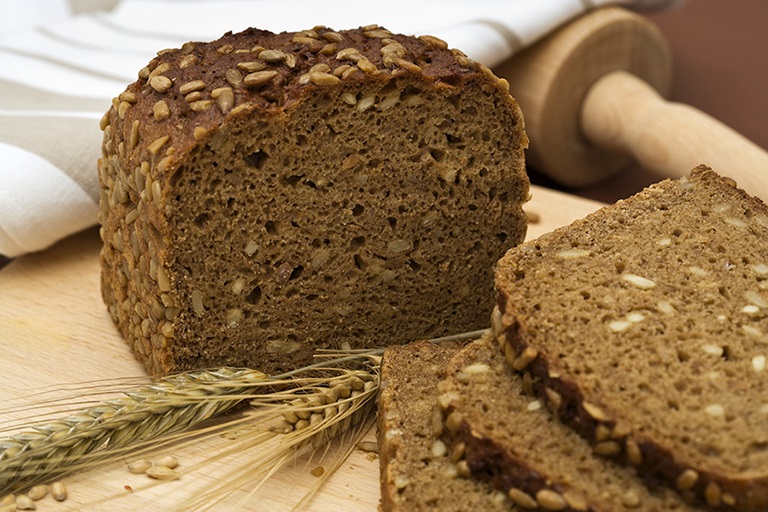
Incorporating 100% whole grains into your diet can provide valuable fiber, protein, and a variety of essential nutrients. The grain group encompasses a wide range of foods. Whole grains consist of three main components: the endosperm, bran, and germ. Examples include whole wheat, brown rice, millet, quinoa, and whole-grain oats. To support weight loss, it is recommended to consume 1 to 3 servings of whole grains per day. A single serving is approximately ½ cup cooked or 1 ounce dry.
2. Eat 3-4 oz of protein per meal
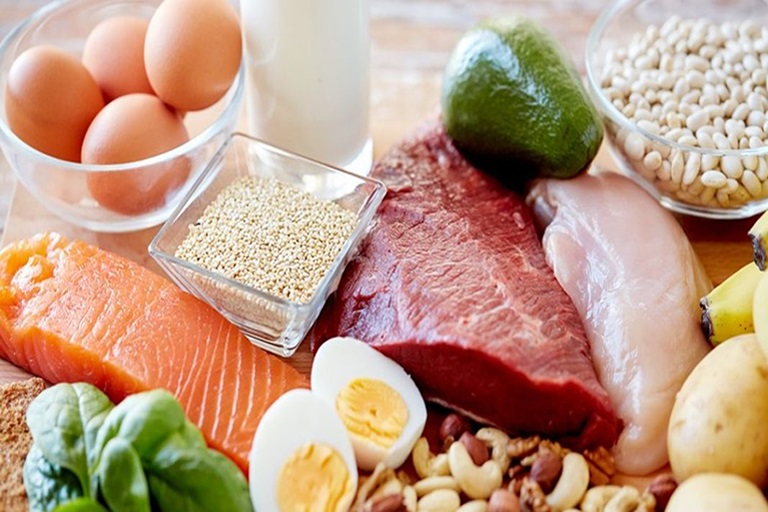
Protein plays a vital role in maintaining overall health and helps keep you feeling full, which can significantly support your weight-loss efforts. It is an excellent nutrient to include in your diet. To help control calorie intake, aim for a protein portion of at least 3 to 4 ounces with each meal. Incorporating lean sources of protein is particularly beneficial. These include lean beef, fish, eggs, low-fat dairy products, poultry, seeds, and nuts. It is recommended to include one serving of protein with every meal and snack. This approach will help you meet your daily protein requirements and enhance your weight-loss progress.
3. Drink Water

Proper hydration plays a significant role in successful weight loss. Staying well-hydrated offers numerous benefits and supports overall health. Adhering to the recommended daily intake of 8 to 13 glasses of fluids can positively influence your weight-loss efforts. It is advisable to choose decaffeinated and sugar-free beverages most of the time. Highly recommended options include water, decaffeinated tea, decaffeinated coffee, and flavoured water (without added sugar). You should avoid drinks such as sports drinks, energy drinks, sweetened yogurt drinks, and soda, as these often contain high amounts of sugar and unnecessary calories.
4. Reduce Sugar
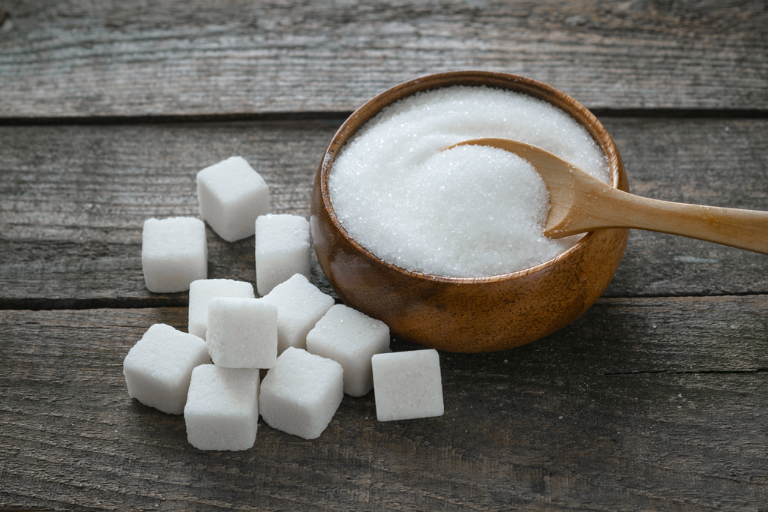
Giving up sugar is never easy, but it is one of the most effective steps you can take to support sustainable weight loss. According to the National Cancer Institute, men aged 19 and older consume an average of 19 teaspoons of added sugar per day, while women in the same age group consume more than 14 teaspoons daily. Much of this added sugar comes in the form of fructose, which is metabolised by the liver and converted into fat. Once processed, the liver releases this fat into the bloodstream, where it can be stored in fat cells, ultimately contributing to weight gain.
5. Increasing the amount of time you sleep

Getting sufficient sleep plays a significant role in successful weight loss. Studies have shown that individuals who sleep approximately eight hours per night are more likely to lose weight. Researchers have found that women who describe their sleep quality as poor or fair often struggle to lose weight compared to those who report good sleep quality. Furthermore, another study revealed that insufficient sleep is associated with an 89% increased likelihood of obesity in children and a 55% increased likelihood in adults.
6. Build a healthy habit
Attempting to change everything at once can often lead to poor results. For example, if you are trying to lose weight and implement multiple drastic changes simultaneously, you may overwhelm your system, making it difficult to achieve your goals. Sustainable and natural weight loss is rarely easy. It requires consistent effort and several meaningful lifestyle modifications. To support your progress, aim to exercise for at least 20 minutes each day and replace butter with olive oil when cooking. Additionally, it is important to stop using food as an emotional coping mechanism – for instance, avoid eating when you are bored, sad, or upset. Instead, treat food primarily as fuel for your body and focus on adopting healthy eating habits.
7. Stop consuming diet food
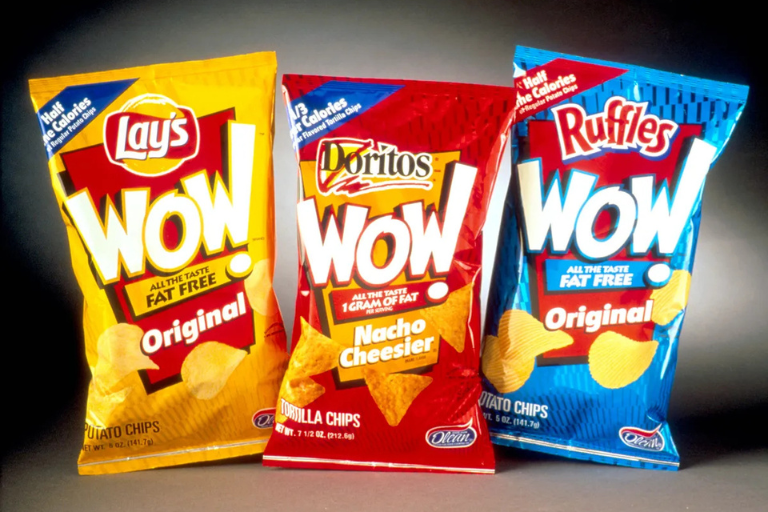
Researchers have found that consuming diet foods, such as fat-free, sugar-free, or other “diet” versions of products, can actually encourage people to eat more overall. Many diet foods are not necessarily lower in calories. When sugar or fat is removed, manufacturers often replace these components with highly processed ingredients to maintain flavour and texture. It is advisable to practise portion control and opt for a small serving of the real version of the food rather than relying on diet alternatives. For example, consuming half a cup of high-quality real ice cream is often a better choice than eating a fat-free or sugar-free ice cream bar.
8. Stop drinking liquid calories

Have you ever successfully lost weight, only to find that you suddenly begin regaining it and struggle to lose the extra pounds again? You may start wondering why your efforts are no longer working. In many cases, the cause may be something you are consuming that you believe is healthy and supportive of weight loss, when in reality it is just as detrimental as other foods and continues to contribute to weight gain. Liquid calories, in particular, can cause significant harm to your weight-loss efforts. That seemingly innocent glass of juice or wine you enjoy every night before bed may be the hidden culprit behind this problem.
9. Add Whey Protein to your diet
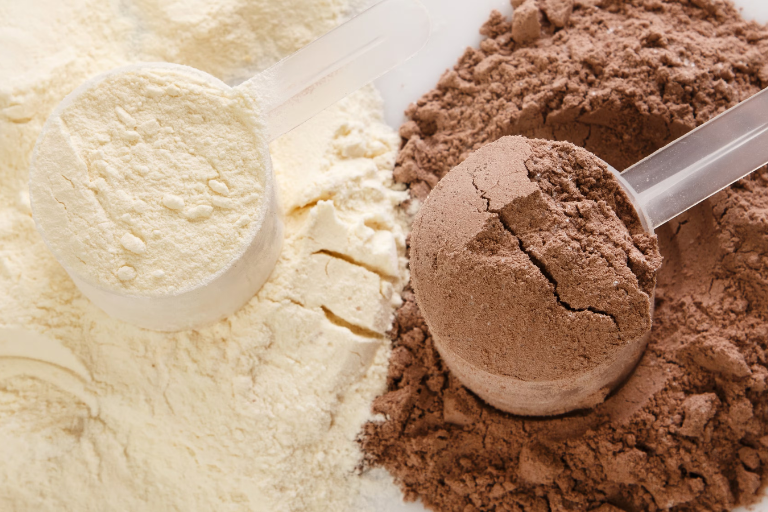
Protein can be obtained from diet alone. However, not everyone is able to meet their protein needs through food sources, and some individuals require supplements to fulfil their daily requirements. Incorporating whey protein into your diet can be an effective strategy for weight loss. Increasing your protein intake can help boost metabolism, reduce appetite, and improve the likelihood of losing body fat while preserving muscle mass. Numerous studies have shown that protein shakes are among the most effective and convenient ways to increase protein consumption. They have been found to support weight loss when used appropriately. It is essential to carefully read the ingredients list of any protein shake before purchasing, as some products contain added sugars and other unhealthy additives.
10. Lower your intake of Added Sugar
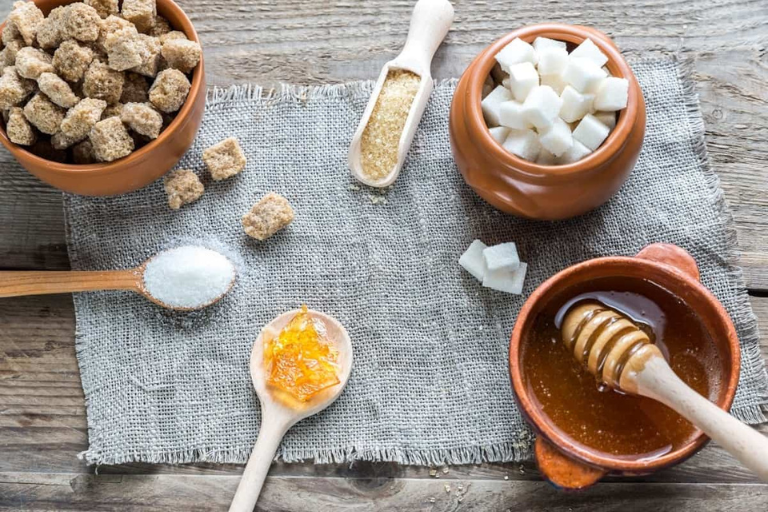
Sugar is universally appealing, and most people are drawn to its pleasant sweetness, whether it comes from candy, tea, juice, cakes, or other sources. Many individuals are particularly fond of sugar because research has shown that it can provide certain benefits for brain health. However, excessive sugar consumption can have serious consequences for overall health. It is associated with an increased risk of heart disease, type 2 diabetes, tooth decay, certain cancers, and unwanted weight gain. Although most people are aware of these risks, they often intend to make healthier food choices but frequently end up selecting less suitable options. This is especially common when attempting to lose weight. Many individuals unknowingly add foods containing high amounts of added sugar to their diet, believing them to be healthy. Items such as breakfast cereals, flavoured yogurts, pizza sauces, and many other processed foods often contain significant quantities of added sugar, which can contribute substantially to weight gain.




GIPHY App Key not set. Please check settings